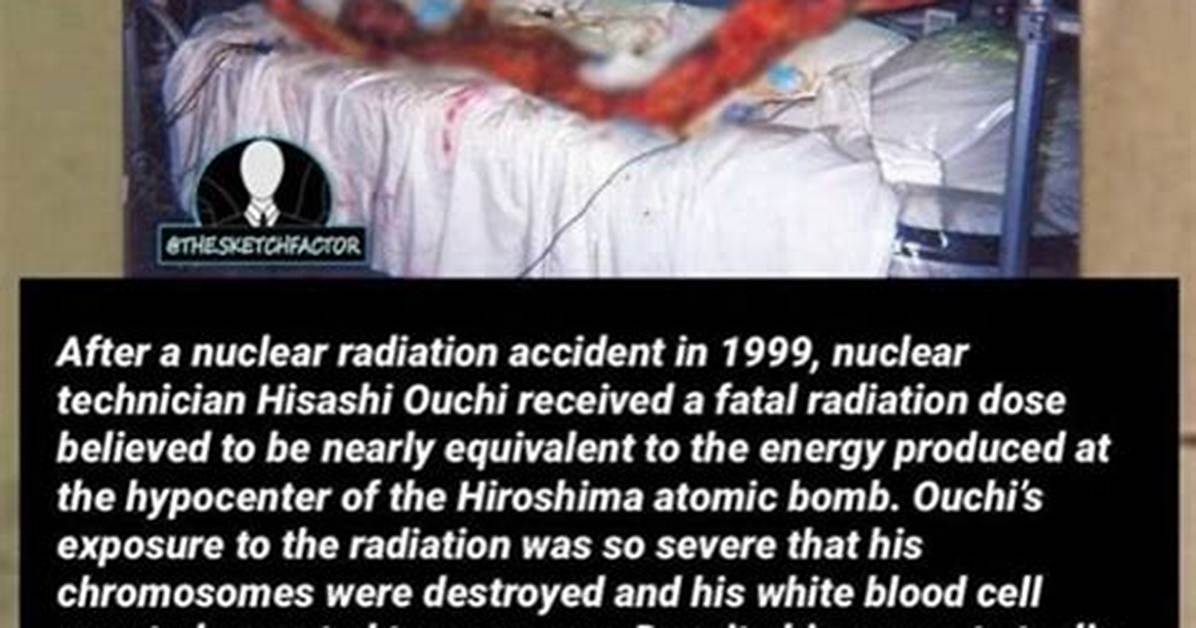
Ouchi radiation has emerged as a fascinating topic of discussion among scientists and enthusiasts alike. This unique form of radiation is not just a scientific curiosity but also has implications for various fields such as medicine, environmental science, and even space exploration. As we delve deeper into the world of ouchi radiation, we uncover not only its characteristics but also its potential applications and the ongoing research aimed at understanding it better.
One of the intriguing aspects of ouchi radiation is how it can influence our understanding of radiation in general. Unlike conventional radiation, ouchi radiation exhibits unique properties that set it apart. Researchers are continually exploring the mechanisms behind this phenomenon, seeking to unravel its mysteries and understand its implications better.
As we progress through this article, we will address some of the most pressing questions surrounding ouchi radiation, providing readers with a comprehensive overview of its significance, characteristics, and potential applications. Whether you are a scientist, student, or simply curious about the world around you, this exploration of ouchi radiation promises to be enlightening.
What is Ouchi Radiation?
Ouchi radiation refers to a specific type of radiation that has distinct properties and behaviors compared to traditional forms of radiation. It is characterized by its unique interaction with matter and energy, making it a subject of interest in various scientific disciplines. Researchers have been investigating the underlying principles of ouchi radiation to better understand its implications in fields such as physics, medicine, and beyond.
How Does Ouchi Radiation Work?
The mechanisms behind ouchi radiation involve complex interactions on a subatomic level. This radiation is believed to be produced through specific energy transformations that occur in particular environments. Understanding these interactions is crucial for harnessing the potential applications of ouchi radiation, which could range from medical imaging to environmental monitoring.
What Are the Applications of Ouchi Radiation?
Ouchi radiation has several potential applications across various fields:
- Medical Imaging: Ouchi radiation could enhance imaging techniques, allowing for more accurate diagnostics.
- Environmental Monitoring: The ability of ouchi radiation to interact with different materials makes it a valuable tool for assessing environmental conditions.
- Space Exploration: Understanding ouchi radiation could aid in developing technologies that protect astronauts from harmful cosmic radiation.
- Material Science: Ouchi radiation can help in the analysis of material properties and behaviors under different conditions.
Who Discovered Ouchi Radiation?
The discovery of ouchi radiation is attributed to a group of researchers who observed its unique properties during laboratory experiments. Their findings prompted further investigations into the phenomenon, leading to a greater understanding of its implications. While the specific individuals involved may vary, the collective efforts of scientists in the field have significantly contributed to our knowledge of ouchi radiation.
What Are the Challenges in Studying Ouchi Radiation?
Studying ouchi radiation presents several challenges for researchers:
- Complexity of Interactions: The interactions that produce ouchi radiation are intricate and not fully understood.
- Measurement Difficulties: Accurately measuring ouchi radiation requires advanced technology and methodologies.
- Environmental Factors: The presence of various environmental conditions can influence the behavior of ouchi radiation, complicating experiments.
What Future Research is Being Conducted on Ouchi Radiation?
Ongoing research on ouchi radiation focuses on several key areas:
- Mechanistic Studies: Scientists are investigating the fundamental mechanisms that give rise to ouchi radiation.
- Application Development: Researchers aim to develop practical applications that harness the unique properties of ouchi radiation.
- Collaborative Efforts: There is a growing trend of collaboration among international research teams to share knowledge and resources.

