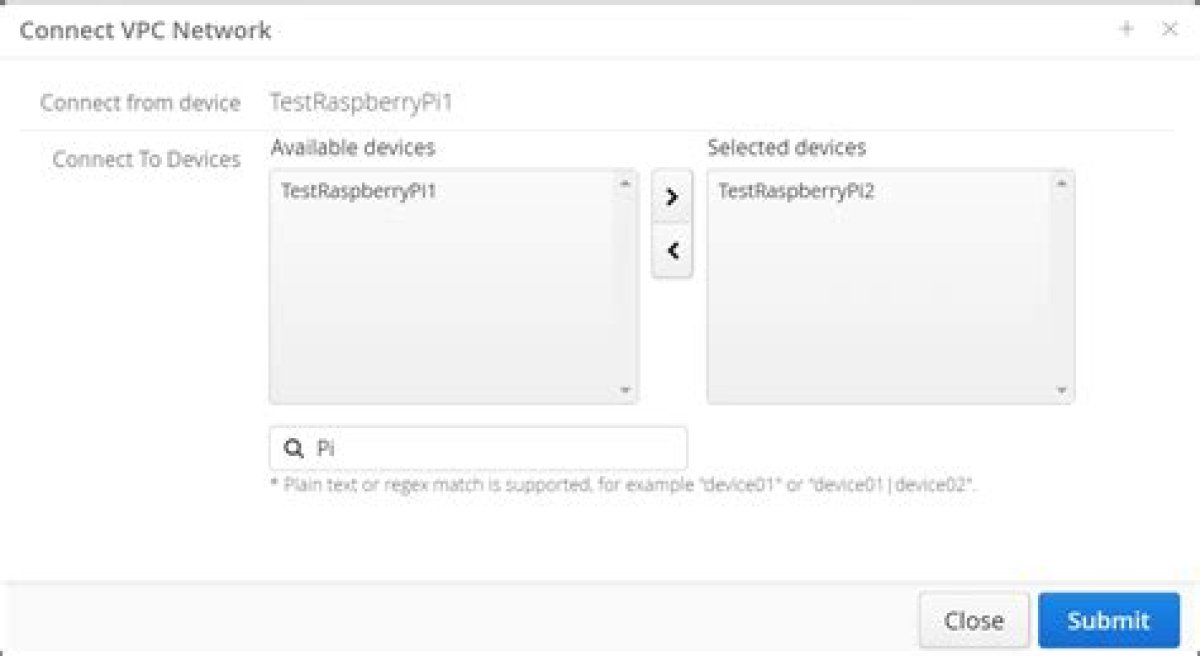
In today's interconnected world, securely connect remote IoT VPC Raspberry Pi free has become a crucial aspect for both hobbyists and professionals. The Internet of Things (IoT) continues to grow exponentially, creating both opportunities and challenges. One of the most significant challenges is ensuring secure communication between IoT devices and cloud services. This guide provides a comprehensive overview of how to achieve this with a Raspberry Pi.
Connecting IoT devices securely to a Virtual Private Cloud (VPC) can seem daunting, especially when you're looking for cost-effective solutions. Whether you're setting up a home automation system or building a professional IoT network, this article will walk you through the essential steps to ensure your setup is both secure and efficient.
By the end of this guide, you'll have a clear understanding of how to securely connect remote IoT devices using Raspberry Pi and VPC without spending a dime. We'll cover everything from setting up your Raspberry Pi to configuring encryption and authentication protocols.
Introduction to IoT and VPC
What is IoT?
The Internet of Things (IoT) refers to the network of physical devices embedded with sensors, software, and connectivity that allows them to exchange data. From smart home devices to industrial equipment, IoT has revolutionized how we interact with technology.
What is VPC?
A Virtual Private Cloud (VPC) is an isolated section of a cloud environment that provides secure and controlled access to resources. It allows users to deploy applications and services in a secure and scalable manner.
When it comes to securely connect remote IoT VPC Raspberry Pi free, understanding these concepts is essential for setting up a robust and secure infrastructure.
Raspberry Pi Setup for IoT
Choosing the Right Raspberry Pi Model
Selecting the right Raspberry Pi model is crucial for your IoT project. The Raspberry Pi 4 Model B is often recommended due to its powerful processor and ample memory. Here's a quick checklist of what to look for:
- Sufficient processing power for your application
- Wi-Fi and Bluetooth capabilities for wireless connectivity
- USB ports for additional peripherals
Installing the Operating System
For IoT applications, consider using Raspberry Pi OS Lite. This lightweight version is optimized for headless operations and provides the necessary tools for IoT development. Follow these steps to install:
- Download Raspberry Pi Imager from the official website.
- Insert an SD card into your computer and use the imager to flash the OS onto it.
- Insert the SD card into your Raspberry Pi and power it on.

