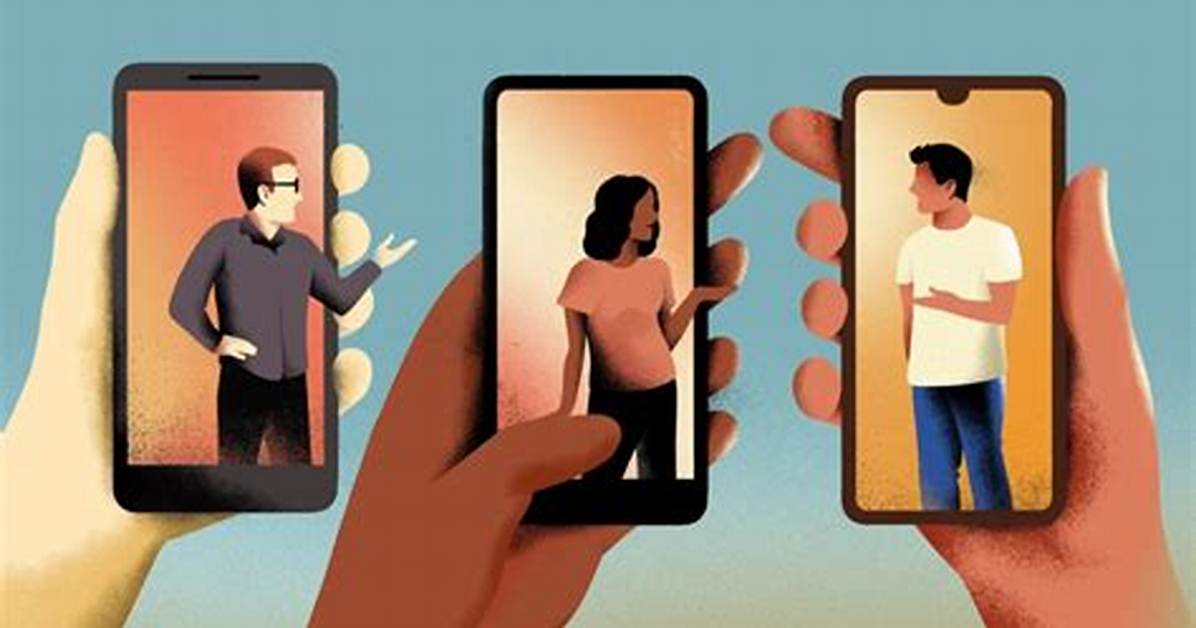
In the age of social media, the term "influencers gone wild" has taken on a whole new meaning. These individuals, who began as ordinary users on platforms like Instagram, TikTok, and YouTube, have transformed into powerful figures capable of shaping trends and consumer behavior. However, this newfound fame often comes with its own set of challenges and controversies. In this article, we will explore the phenomenon of influencers gone wild, delving into their rise to fame, the impact of their actions, and the lessons learned from their escapades.
Social media influencers have become synonymous with both glamour and chaos. From extravagant lifestyles to outrageous stunts, many influencers have pushed the boundaries of acceptable behavior in pursuit of likes, shares, and followers. As a result, their actions can often lead to public backlash, brand controversies, and even legal issues. This article aims to shed light on the complexities of influencer culture while providing insights into the responsibility that comes with online fame.
Through this exploration, we will not only examine the wild side of influencers but also consider the broader implications for society, marketing, and mental health. By understanding the dynamics at play, we can better navigate the ever-changing landscape of social media and its influencers. Let's dive into the wild world of influencers and uncover the truths behind their sometimes reckless behavior.
The Rise of Influencers
The journey of influencers from ordinary individuals to social media icons is a fascinating one. With the advent of platforms like Instagram and YouTube, anyone with a smartphone could showcase their talents, opinions, or lifestyles. As followers began to flock to these personalities, brands took notice, leading to the rise of influencer marketing.
Understanding Influencer Marketing
Influencer marketing leverages the reach and credibility of social media figures to promote products and services. This approach has proven to be highly effective, as consumers often trust recommendations from influencers more than traditional advertisements. Some key statistics about influencer marketing include:
- According to a study by Mediakix, 89% of marketers believe that ROI from influencer marketing is comparable to or better than other marketing channels.
- The influencer marketing industry is projected to be worth $13.8 billion by 2021, indicating the growing importance of this marketing strategy.
The Wild Side of Influencer Culture
As influencers gained fame and fortune, many felt the pressure to maintain their relevance and attract new followers. This often led to increasingly outrageous behavior, as creators pushed the envelope to stand out in a crowded space.
Examples of Outrageous Behavior
Some influencers have engaged in shocking stunts or controversial actions to garner attention. Notable examples include:
- Livestreaming dangerous activities or challenges that put themselves or others at risk.
- Participating in public pranks that can lead to criminal charges.
- Promoting products or lifestyles that may be harmful or misleading.

