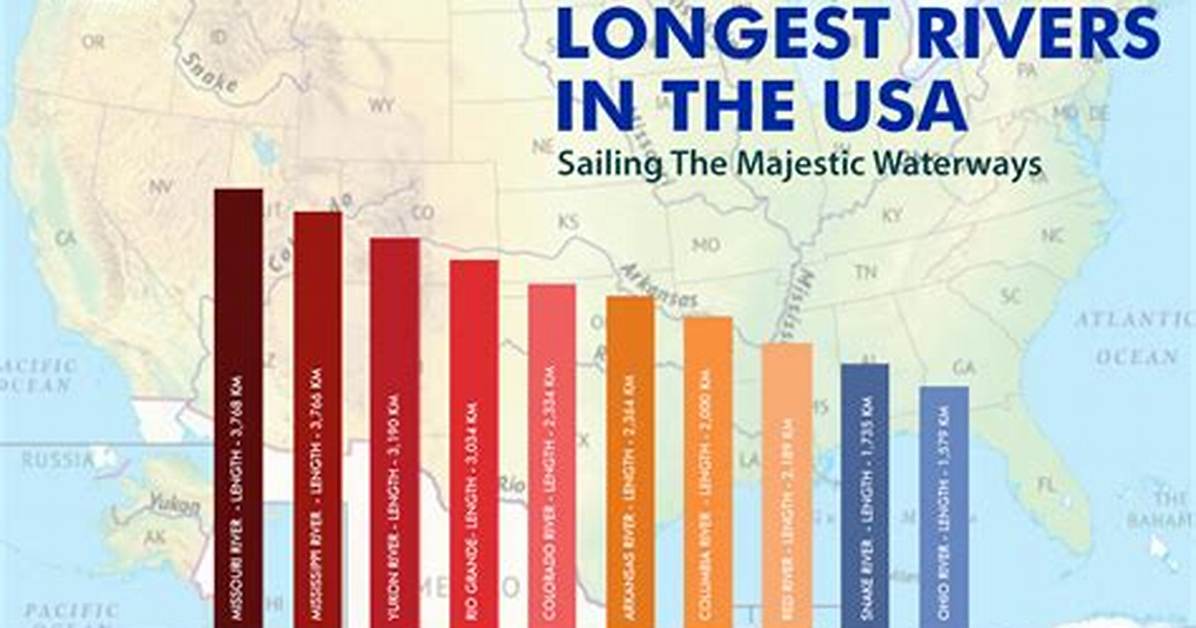
The longest river in the USA holds a special place in the hearts of many, weaving through the fabric of American history, culture, and geography. Stretching over 2,341 miles, the Missouri River is not only the longest river in the United States but also a vital waterway that has shaped the nation’s development. This article delves into the fascinating journey of the Missouri River, exploring its significance, key features, and the vital role it plays in the ecosystem and economy of the surrounding regions.
The Missouri River originates in the Rocky Mountains of Montana and flows eastward, ultimately joining the Mississippi River near St. Louis, Missouri. It is a river that has witnessed countless historical events, from the explorations of Lewis and Clark to its pivotal role in the westward expansion of the United States. The river is also home to a diverse array of wildlife and serves as a crucial resource for agriculture and transportation.
In this comprehensive guide, we will explore the Missouri River's geography, history, ecology, and its current significance in today’s world. Whether you are a history buff, an outdoor enthusiast, or simply curious about this remarkable waterway, this article aims to provide a well-rounded perspective on the longest river in the USA.
Geography of the Missouri River
The Missouri River flows through a diverse range of landscapes, from mountainous terrains to vast plains. It begins at the confluence of the Jefferson, Madison, and Gallatin Rivers in Montana, and travels through several states including North Dakota, South Dakota, Nebraska, Iowa, Kansas, and Missouri.
Key Features of the Missouri River
- Length: 2,341 miles
- Source: Three Forks, Montana
- Confluence: Joins the Mississippi River in St. Louis, Missouri
- Basin Area: Approximately 529,000 square miles
As it meanders through the landscape, the Missouri River carves out scenic valleys and creates many tributaries, enriching the ecosystems along its banks. The river's flow is regulated by several dams which help control flooding and provide hydroelectric power.
Historical Significance
The Missouri River has been a vital artery for transportation and trade since ancient times. Indigenous peoples relied on its resources long before European explorers arrived in North America.
The Lewis and Clark Expedition
One of the most notable events in the river's history is the Lewis and Clark Expedition (1804-1806), which followed the Missouri River as it charted a course through the uncharted western territories. This journey provided crucial information about the geography and resources of the area, paving the way for future exploration and settlement.
Impact on Westward Expansion
The Missouri River served as a critical route during the westward expansion of the United States, enabling settlers to transport goods and reach new destinations. Towns and cities developed along its banks, showcasing the river's role in shaping the growth of the nation.

