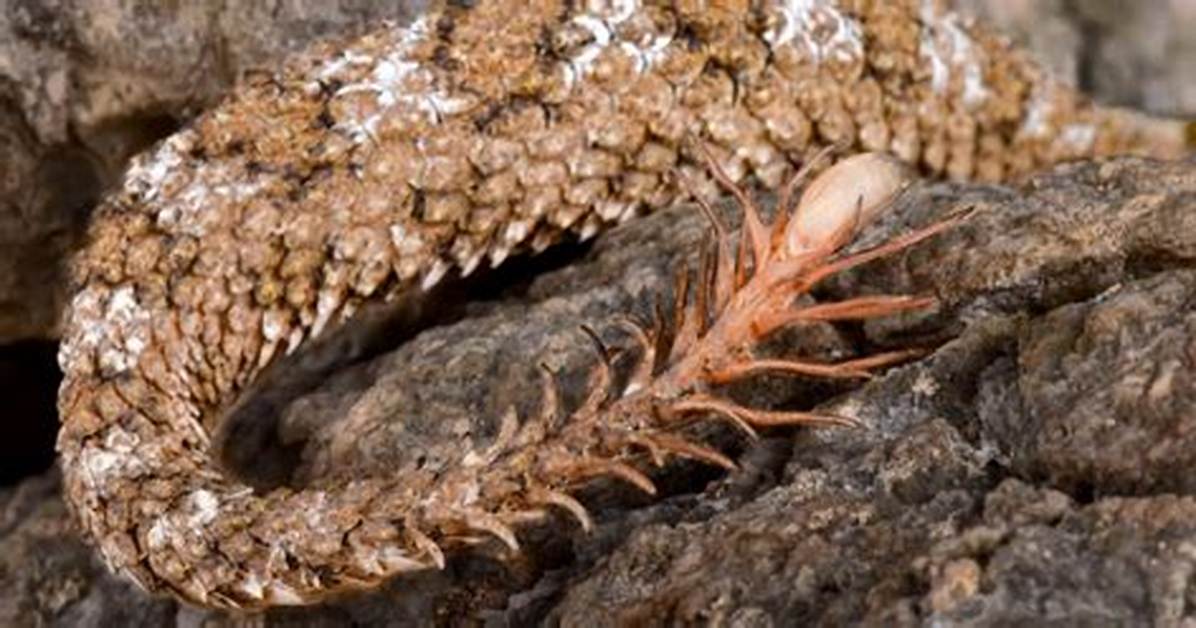
The spider-tailed viper is a remarkable creature that has captured the fascination of herpetologists and nature lovers alike. Found only in specific regions, this viper exhibits some of the most incredible adaptations among snakes, making it a subject of extensive study and admiration. In this article, we will explore the unique characteristics, habitat, behavior, and conservation efforts surrounding the spider-tailed viper, ensuring that you gain a thorough understanding of this extraordinary species.
As we delve deeper into the world of the spider-tailed viper, we will uncover its distinct features that set it apart from other snakes. The viper's intriguing morphology, including its tail's resemblance to a spider, plays a crucial role in its hunting strategy. This adaptation not only showcases the wonders of evolution but also highlights the importance of biodiversity in our ecosystems.
Furthermore, the conservation status of the spider-tailed viper is a pressing concern, as habitat loss and environmental changes threaten its existence. Through this article, we aim to raise awareness about the species and the necessary measures to protect it. Join us as we embark on a fascinating journey into the life of the spider-tailed viper!
Biography of the Spider-Tailed Viper
The spider-tailed viper, scientifically known as Hypnale hypnale, was first described in 2006 and is endemic to the mountainous regions of Iran. This species is celebrated not only for its remarkable appearance but also for its unique hunting strategy.
| Attribute | Details |
|---|---|
| Common Name | Spider-Tailed Viper |
| Scientific Name | Hypnale hypnale |
| Habitat | Mountainous regions of Iran |
| Length | Approximately 50-70 cm |
| Diet | Small mammals and birds |
| Conservation Status | Data Deficient |
Characteristics of the Spider-Tailed Viper
The spider-tailed viper is easily recognizable due to its tail, which mimics the appearance of a spider. This adaptation is one of the most remarkable examples of mimicry in the animal kingdom. Key characteristics of the spider-tailed viper include:
- Distinctive Tail: The tail has a unique shape and coloration that closely resembles a spider, which helps lure prey.
- Coloration: The body of the viper is typically brown or gray with intricate patterns that provide excellent camouflage among rocks and vegetation.
- Venom: Like other vipers, it possesses hemotoxic venom that can incapacitate its prey.

