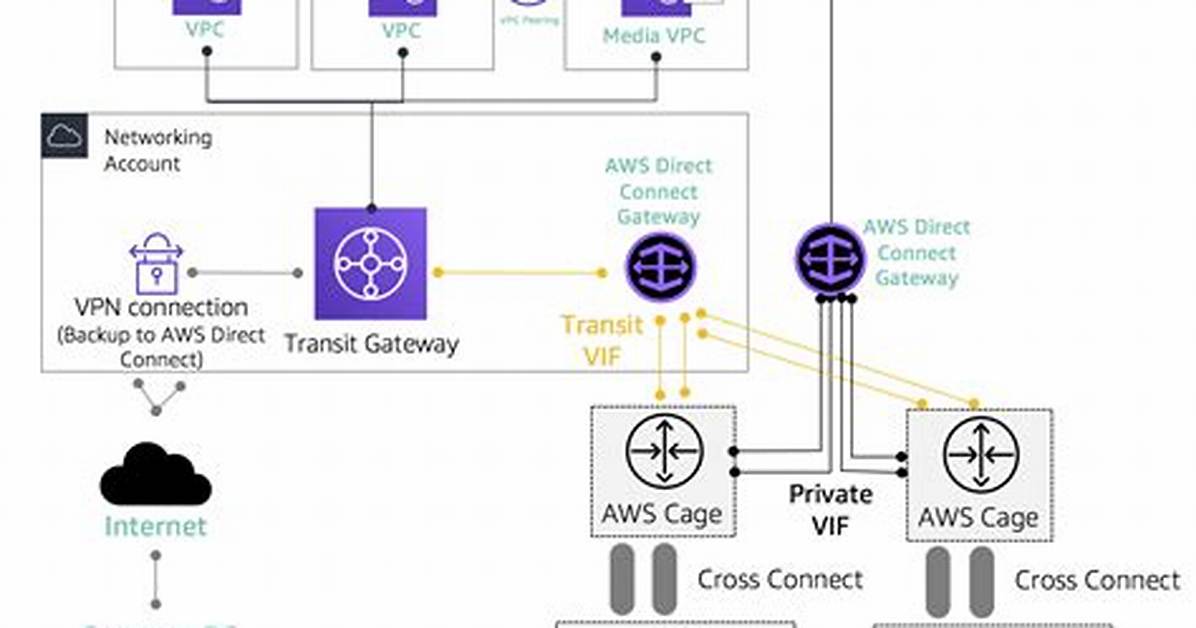
In today's era of digital transformation, remote IoT (Internet of Things) networks have become a cornerstone of innovation. Whether you're managing smart home devices or running industrial automation systems, the ability to control IoT devices remotely through a Virtual Private Cloud (VPC) network using a Raspberry Pi is a game-changer. This setup offers scalability, flexibility, and security for both personal and professional use cases.
As IoT devices continue to proliferate, the need for secure and reliable network architectures becomes increasingly critical. A remote IoT VPC network powered by Raspberry Pi ensures that your devices are interconnected seamlessly while maintaining robust security protocols. This setup allows users to access their IoT devices from anywhere in the world, making it an ideal solution for remote monitoring and management.
This article will explore the step-by-step process of setting up a secure remote IoT VPC network using Raspberry Pi. We'll cover everything from the basics of IoT networking to advanced configurations, ensuring you have a comprehensive understanding of the technology and its implementation. By the end of this guide, you'll be equipped with the knowledge and tools to build your own remote IoT VPC network.
Introduction to Remote IoT VPC Network
A remote IoT VPC network is a powerful tool that enables users to manage IoT devices from anywhere in the world. This network architecture leverages cloud computing and virtualization technologies to create a secure and scalable environment for IoT devices. The integration of Raspberry Pi into this setup provides a cost-effective and versatile solution for hobbyists and professionals alike.
Why Use Raspberry Pi for IoT?
Raspberry Pi has gained immense popularity in the IoT space due to its affordability, flexibility, and ease of use. It serves as an excellent platform for experimenting with IoT projects and deploying them in real-world scenarios. Some key advantages of using Raspberry Pi for IoT include:
- Low cost and energy-efficient hardware
- Support for a wide range of sensors and peripherals
- Compatibility with various operating systems and programming languages
- Active community support and extensive documentation
Key Components of a Remote IoT VPC Network
A typical remote IoT VPC network consists of several key components, including:
- Raspberry Pi as the central processing unit
- A cloud-based VPC for hosting the network infrastructure
- IoT devices and sensors for data collection and monitoring
- Network security protocols to ensure data integrity and privacy
Overview of Raspberry Pi
Raspberry Pi is a series of small single-board computers developed by the Raspberry Pi Foundation. These devices are designed to promote the teaching of basic computer science in schools and developing countries. However, their versatility and affordability have made them popular among hobbyists, developers, and professionals worldwide.
Types of Raspberry Pi
There are several models of Raspberry Pi available, each with its own set of features and capabilities. The most popular models include:
- Raspberry Pi 4 Model B
- Raspberry Pi 3 Model B+
- Raspberry Pi Zero W
Choosing the Right Raspberry Pi for Your IoT Project
Selecting the appropriate Raspberry Pi model depends on the specific requirements of your IoT project. Factors such as processing power, memory, and connectivity options should be considered when making a decision. For example, the Raspberry Pi 4 Model B is ideal for projects requiring high performance, while the Raspberry Pi Zero W is suitable for lightweight applications.

